Understanding Right-of-Way in Japan
· GaimenGo Team
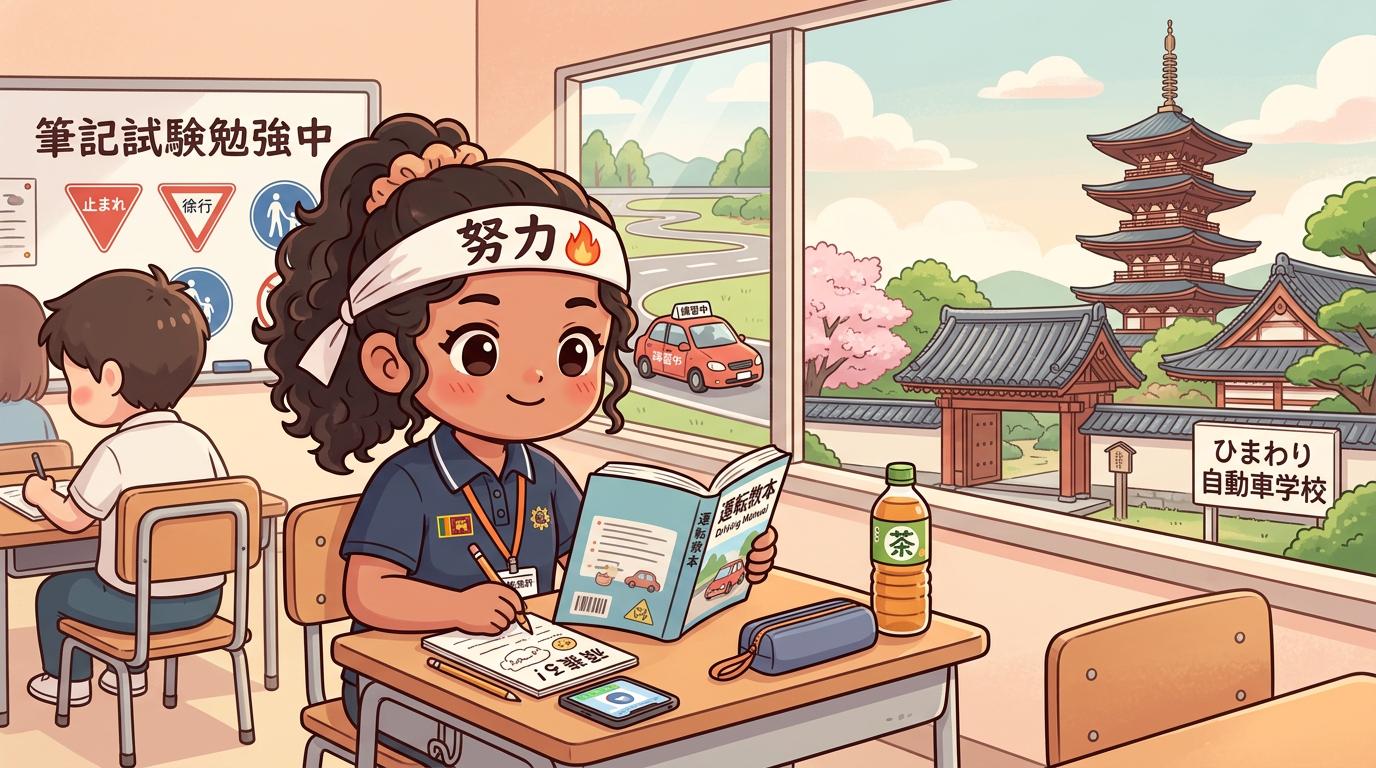
Priority rules at intersections are one of the most heavily tested areas. Master them.
Right-of-way rules in Japan differ from many other countries and are extensively tested on the written exam. This is the #1 area to focus on.
Basic Rule: Left-Side Priority (左方優先) At an equal-width unmarked intersection without signals or signs, the vehicle coming from your LEFT has priority. You must yield to traffic on your left. This is frequently confused — remember: you yield to vehicles approaching from your LEFT, not your right. This rule is tested extensively.
Narrow Road vs Wide Road When a narrow road meets a wide road, vehicles on the wide road have priority, regardless of direction.
Priority Road Signs Yellow diamond signs with a black border indicate a priority road. If you are ON a priority road, you have right of way over entering traffic.
Traffic Signals When the light is green, you still must yield to:
- Pedestrians crossing at a crosswalk
- Emergency vehicles with sirens
- Vehicles already in the intersection when the light changes
No Four-Way Stops in Japan Japan does not use four-way stop signs. At intersections without signals or signs, apply the left-side priority rule (左方優先). If roads have different widths, vehicles on the wider road have priority. If a priority road sign (yellow diamond) is present, vehicles on that road always have right-of-way.
Test Tip: Right-of-way and intersection priority questions are among the most frequently failed. The left-priority rule and wide-road priority rule are both heavily tested — practice them until they are completely automatic.